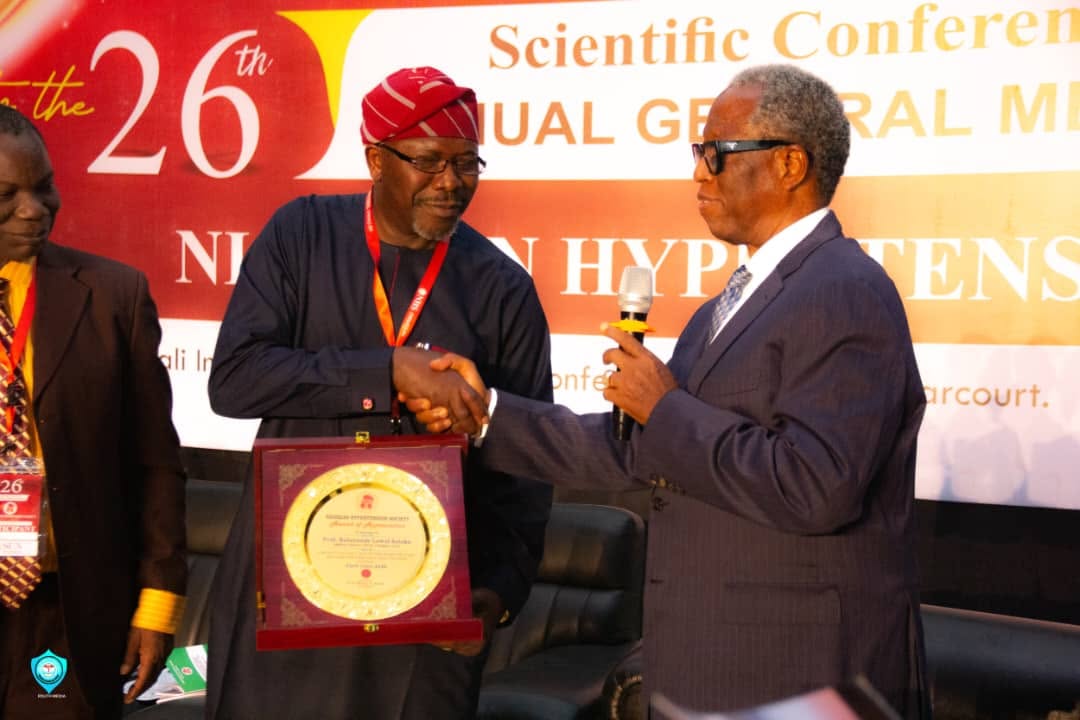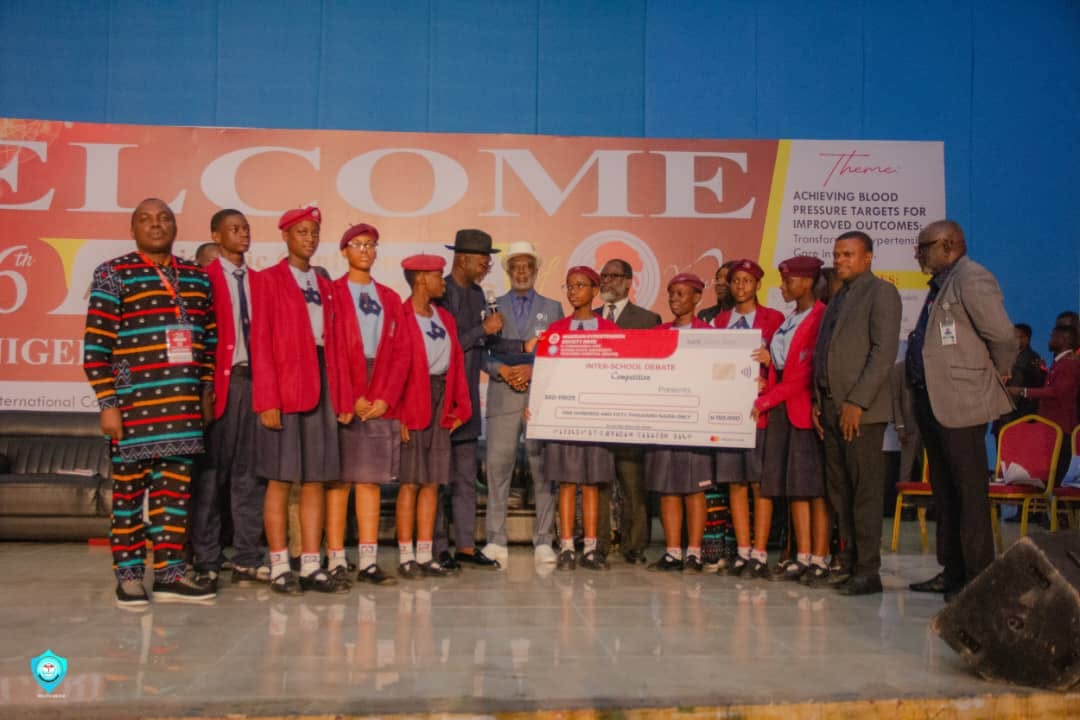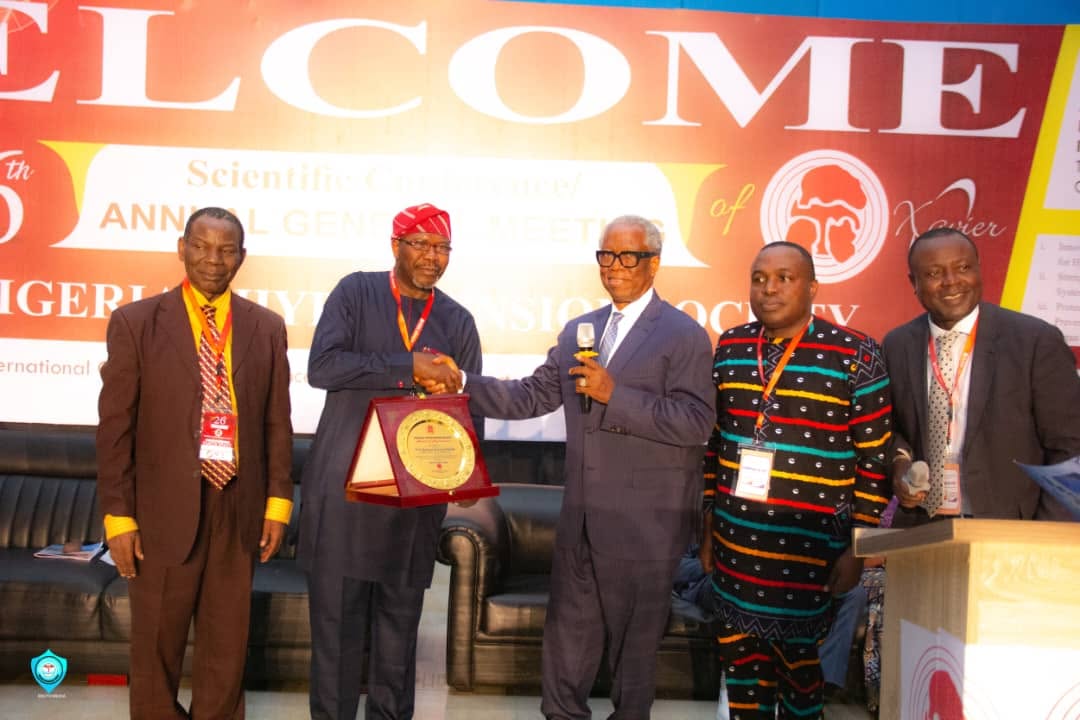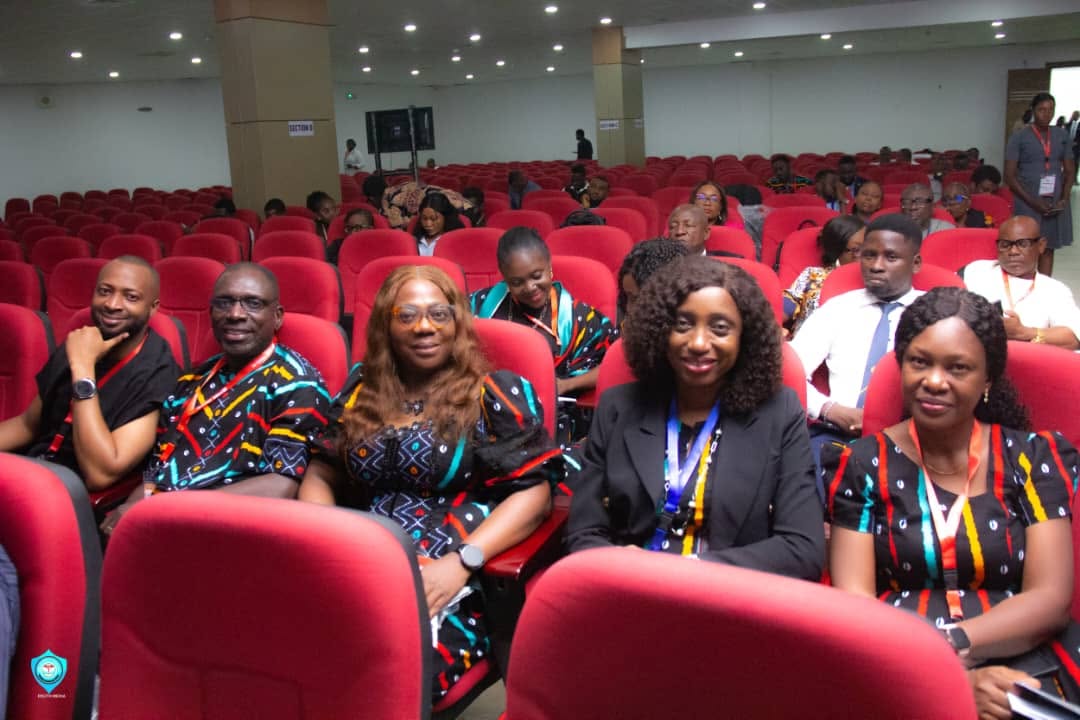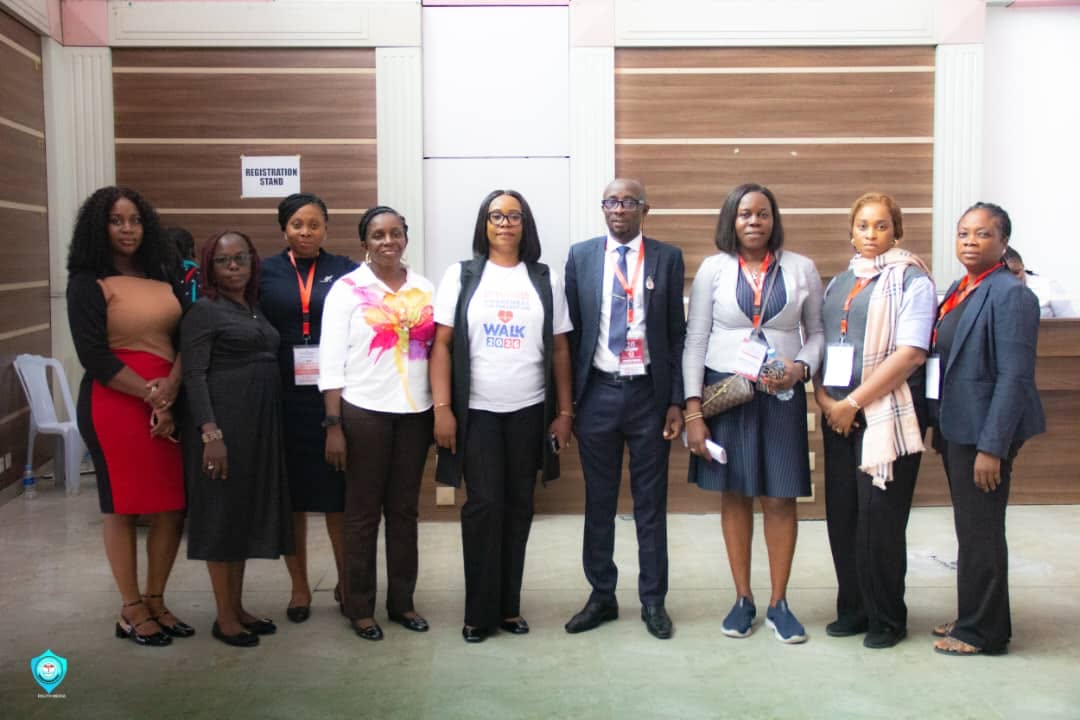
Medical experts from across Nigeria’s six geopolitical zones gathered at Rivers State on Wednesday, 24th June 2026, for the concluding day of the Nigerian Hypertension Society’s 26th Annual Scientific Conference, and the message was clear: Nigeria’s hypertension crisis demands far more than awareness. The three-day event was hosted by the Chief Medical Director of Rivers State University teaching Hospital, Prof. Chizindu A. Alikor.
The final day’s most striking session put the country’s regional hypertension divide on full display. Six specialists presented back-to-back, exposing how the disease plays out differently across the country, from the impact of urbanisation and high salt consumption in the South-South to disrupted hypertension care among conflict-affected populations in the North-East to deep-rooted cultural dietary habits driving the burden in the North-West. Dr. Oladipupo Fasan flagged rural-urban gaps in primary care delivery in the North-Central zone as a crisis that cannot be ignored.
The sessions continued with Prof. Satonye Dodiyi-Manuel warning that the kidneys, heart, and brain silently absorb the damage of uncontrolled blood pressure long before symptoms appear. Dr. Ernest Nwazor tackled the delicate clinical question of how aggressively to lower blood pressure in acute stroke patients. Dr. Ovundah Nyeche presented on artificial intelligence and digital tools in blood pressure management, making the case that AI-driven risk prediction and remote monitoring are realistic solutions even in low-resource Nigerian settings.
The conference concluded with the Annual General Meeting, during which the NHS formally inducted new members into the society, a milestone welcomed by leadership as a sign of growing national commitment to hypertension advocacy. The three-day event, hosted by RSUTH Chief Medical Director Prof. Chizindu A. Alikor, ended with a dinner for delegates, researchers, and clinicians determined to move Nigeria’s hypertension response from conversation to action.