RSUTH Strengthens Ebola Preparedness Through Hospital Grand Round
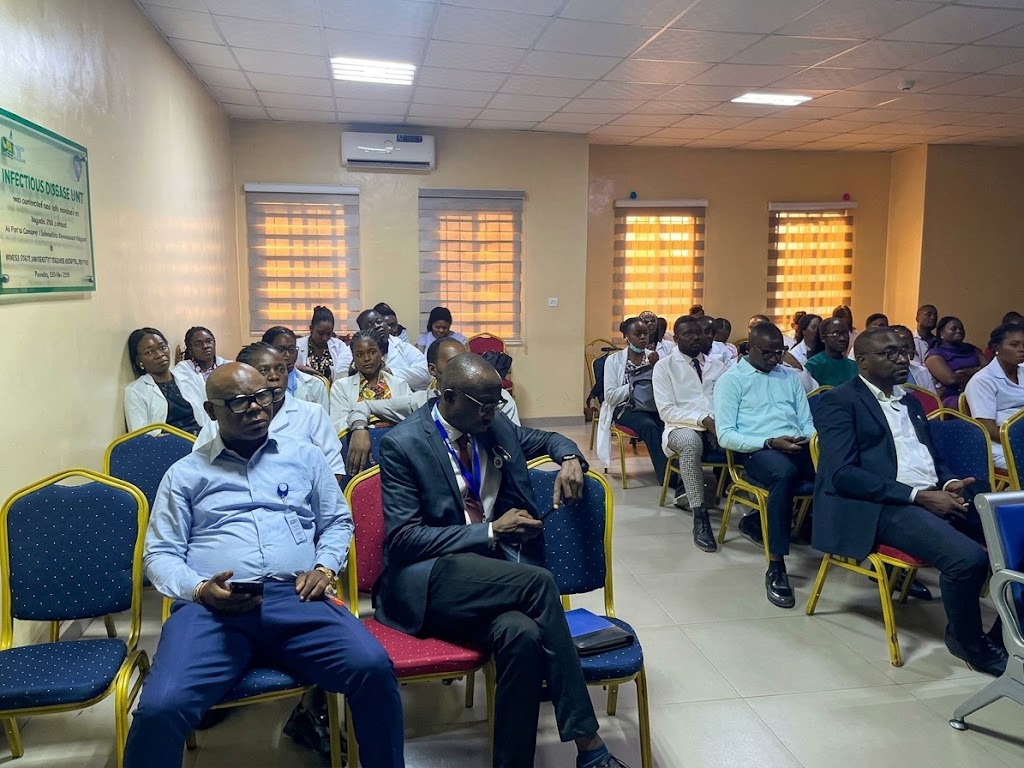
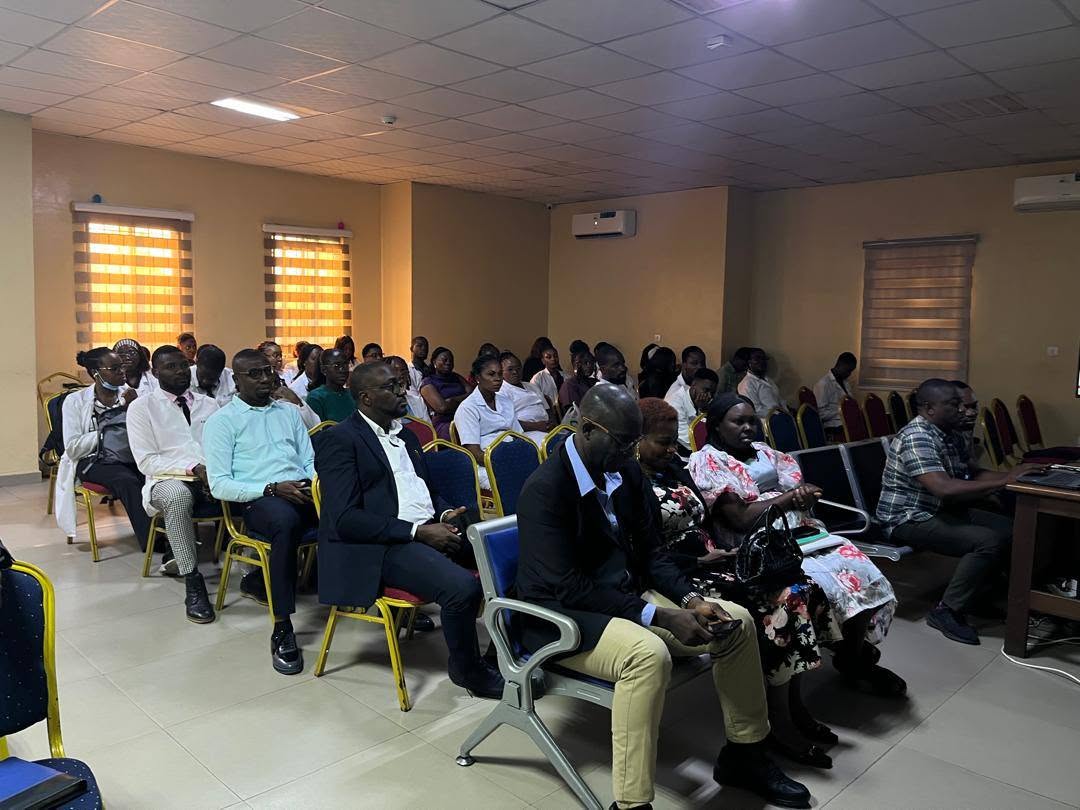
The Rivers State University Teaching Hospital (RSUTH) has intensified Ebola Virus Disease (EVD) preparedness through a Hospital Grand Round held on Wednesday, October 28, 2026, at the IDU Hall.
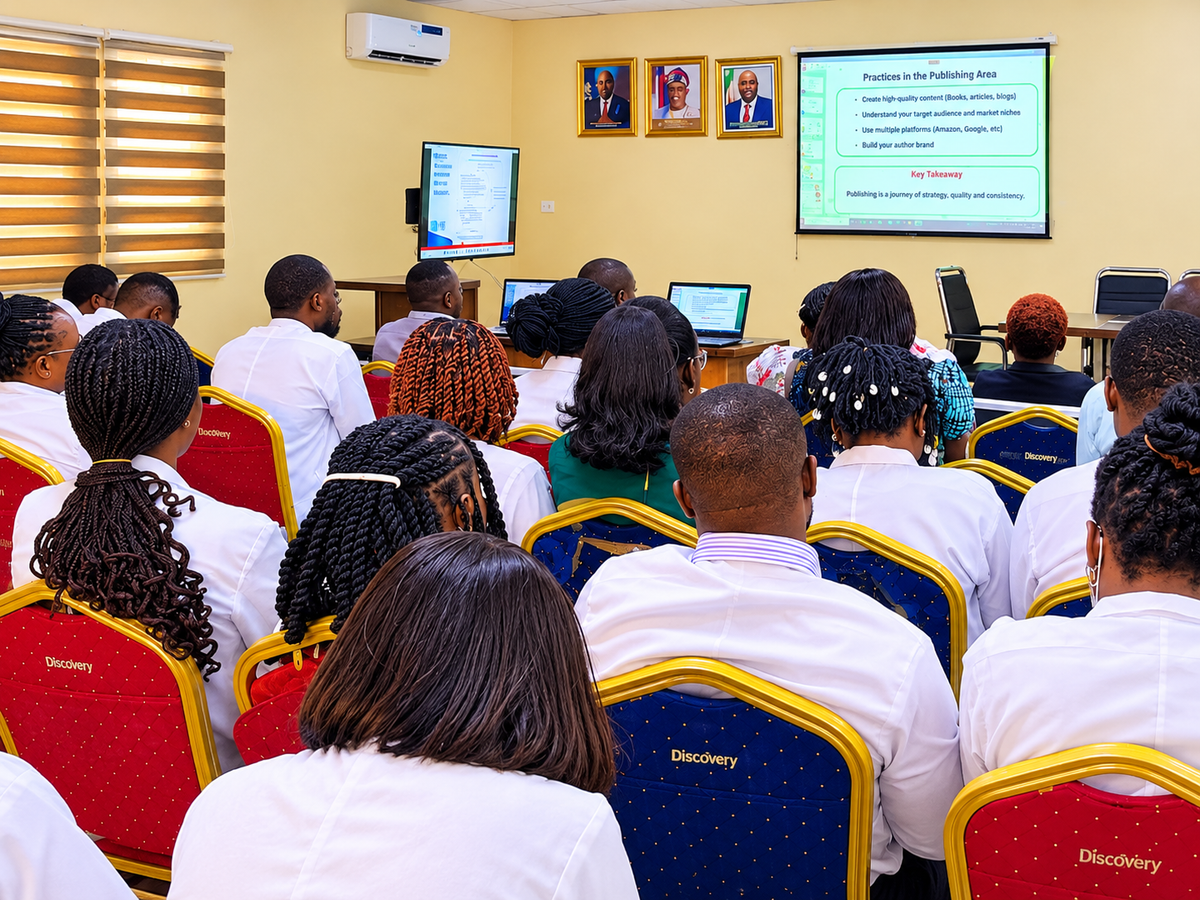
The programme, facilitated by the Infection Prevention and Control (IPC) / Infectious Disease Unit (IDU) Team, was held in hybrid format, with participants joining both physically and virtually via Microsoft Teams.
The session featured presentations on the virus, hospital management of suspected cases, and infection prevention and control.
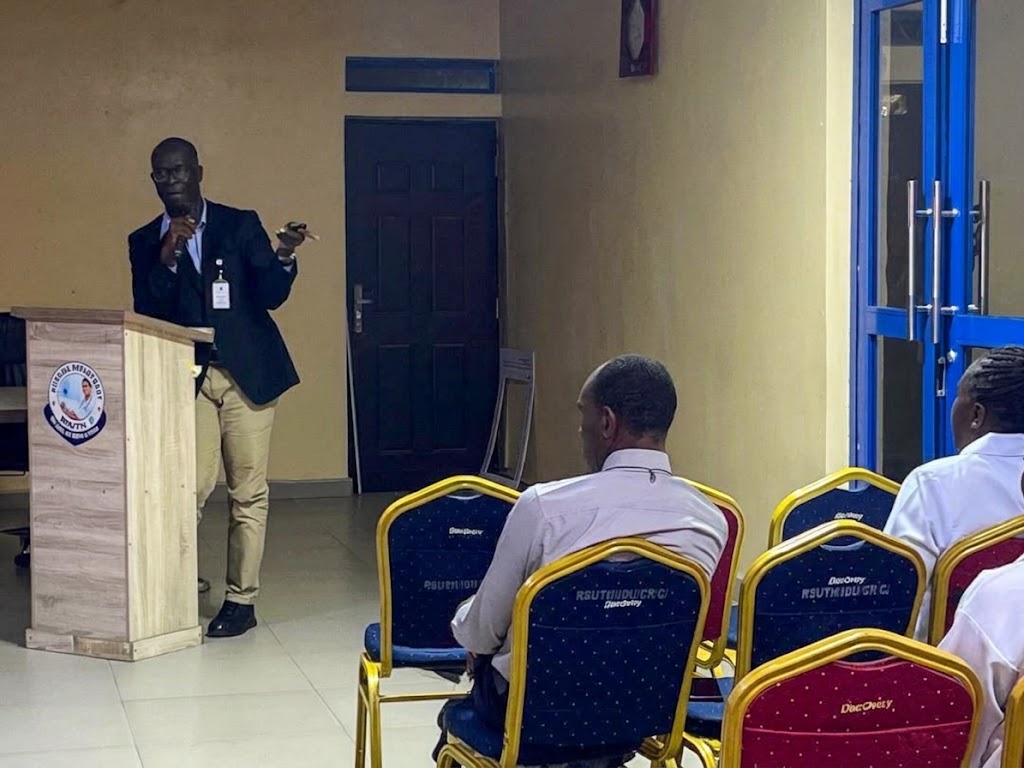
Speaking on the nature of the disease, Prof. I. I. Oboro explained that Ebola is a severe viral illness transmitted through direct contact with the blood and body fluids of a symptomatic infected person, contaminated materials, or infected animals. Symptoms may appear 2 to 21 days after exposure and include fever, fatigue, headache, muscle and abdominal pain, vomiting, diarrhoea, and in severe cases, bleeding and organ dysfunction.
He noted that infected individuals do not transmit the virus before symptoms appear, and stressed the need for early recognition, prompt assessment, and laboratory confirmation, as early symptoms may mimic malaria and typhoid fever.
On hospital management, Dr. Ekele Roberts emphasised prompt identification and isolation of suspected cases, appropriate clinical assessment, notification of public health authorities, strict use of Personal Protective Equipment (PPE), safe patient handling, environmental cleaning, and safe management of healthcare waste. She stressed correct donning and doffing of PPE and adherence to protocols to prevent hospital-acquired transmission.
Dr. Alali Dan Jumbo, speaking on prevention, underscored hand hygiene with soap and running water or alcohol-based hand rub, appropriate glove use, and strict compliance with IPC guidelines. He noted that glove use does not replace hand hygiene and must be accompanied by proper selection, use, and disposal.
The Grand Round highlighted continuous professional education as critical to patient safety, workforce protection, and public health response.
The central message was clear: early recognition, safe case management, and consistent infection prevention and control are vital to protecting lives and limiting the spread of Ebola.
Preparedness saves lives.
#RSUTHMEDIA
© 2025 Rivers State University Teaching Hospital. All rights reserved.